
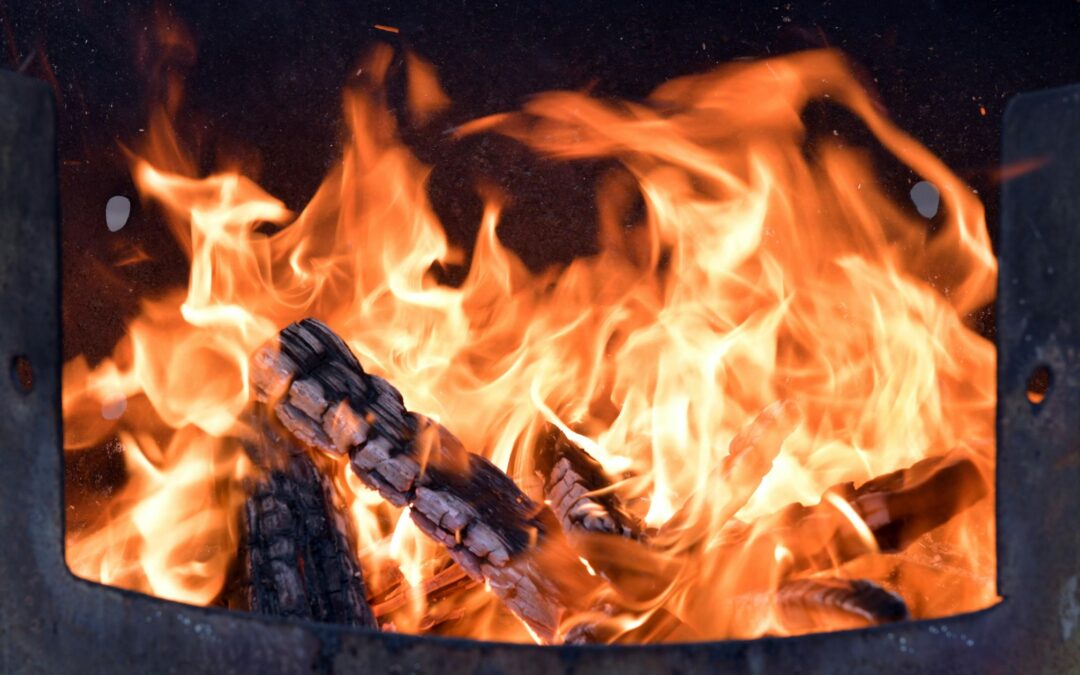
North Wales is a place of stunning landscapes, fresh air and, let us be honest, some seriously cold winters. Whether you live in a stone cottage tucked into the hills above Llanrwst or a coastal property near Llandudno, a log burner is one of the most satisfying and cost-effective ways to heat your home through the colder months. This guide covers everything you need to know, from choosing the right stove to sourcing the best loose hardwood logs and keeping your appliance running safely year after year.
Why Log Burners Are So Popular in North Wales
The resurgence in wood burning stoves across the UK has been remarkable. Log burners now feature in hundreds of thousands of homes, and in rural parts of Wales they have never really gone out of fashion. There are several reasons why they remain such a popular choice.
Cost. With energy bills continuing to be a concern for many households, firewood can offer a more affordable supplementary heat source, particularly when bought in bulk or sourced locally.
Ambience. There is simply nothing that replicates the warmth and atmosphere of a real fire. A log burner is as much a feature of a room as it is a heat source.
Independence. Wood burning provides a degree of energy independence. Even during power cuts or price spikes, a well-stocked log store keeps your home warm.
Sustainability. When sourced from responsibly managed woodlands, firewood is considered a carbon-neutral fuel. The carbon released during burning is broadly equivalent to what the tree absorbed during its lifetime, making it a far greener option than fossil fuels.
Choosing the Right Log Burner for Your Home
Before you start stacking logs, you need the right appliance for the space. Here are the main considerations:
Output (kW). The heat output of a stove is measured in kilowatts. As a rough guide, you will need approximately 1kW for every 14 cubic metres of room space you want to heat. Oversizing a stove is a common mistake; a stove that is too large for the room will be running at low output most of the time, which is inefficient and increases the risk of tar and creosote build-up.
Efficiency rating. Modern log burners are significantly more efficient than older models. Look for appliances with an efficiency rating of 75% or above. DEFRA-approved (Eco Design) stoves are the most efficient and are mandatory for new installations in smoke control areas.
Airwash system. A good stove will feature an airwash system that keeps the glass clean by directing a curtain of air across the inside of the door. This is well worth having for both practical and aesthetic reasons.
Multi-fuel vs wood only. Multi-fuel stoves can burn both logs and solid fuels such as coal or smokeless fuel. Wood-only stoves are often more efficient at burning logs specifically. If firewood is your primary fuel, a dedicated wood burning stove may be the better choice.
Getting Your Installation Right
A log burner is only as good as the installation behind it. A poor installation can be dangerous and will undermine the performance of even the best appliance.
HETAS registered installer. Always use a HETAS (Heating Equipment Testing and Approval Scheme) registered engineer for your installation. This ensures the work meets building regulations and you will receive a compliance certificate on completion.
Hearth and surround. Your installer will advise on the correct hearth dimensions and materials for your chosen stove. Non-combustible materials such as stone, slate or ceramic tiles are standard.
Flue liner. In most cases, particularly in older properties, the chimney will need to be lined with a stainless steel flue liner to ensure safe and efficient operation. This is especially important in Welsh stone cottages where chimneys can be irregular in shape and poorly insulated.
Ventilation. Modern homes are well insulated and relatively airtight, which means a wood burner may require a dedicated air supply to ensure adequate combustion. Your installer will assess this during the survey.
The Importance of Using Dry, Quality Firewood
Once your stove is installed, the quality of your firewood will determine how well it performs. This cannot be overstated.
Burning wet or unseasoned wood is one of the most common mistakes new log burner owners make. Wood with high moisture content is difficult to light, produces limited heat, fills your room with smoke, and coats the inside of your flue with creosote at a far higher rate than dry wood. Over time, this creates a serious fire hazard.
Kiln dried firewood is the gold standard. It has been dried in controlled conditions to a moisture content of below 20%, which means it lights easily, burns cleanly and efficiently, and produces significantly less harmful emissions.
When buying firewood in North Wales, look for a supplier who holds Woodsure Ready to Burn accreditation. This independent scheme verifies that the product has been tested and meets the required moisture content threshold. It is also a legal requirement for firewood sold in volumes under two cubic metres to carry this certification.
Hardwood or Softwood: Getting the Right Mix
For log burner use, hardwood is generally preferred as the primary fuel. Dense species such as ash, oak and silver birch burn slowly and produce a sustained heat with a good bed of glowing embers. Ash in particular is well regarded for its clean burn and relatively low sap content.
Softwood, such as pine or larch, burns faster and brighter. It is excellent for kindling and for getting a fire established, and works well for shorter burning sessions or in outdoor settings. Many experienced stove users keep a good supply of both, using softwood to light and establish the fire before transitioning to hardwood for the long burn.
Maintaining Your Log Burner
A well-maintained log burner will perform better, last longer and remain safe to use. Here is a simple maintenance checklist to keep on top of throughout the season.
Sweep your chimney annually. At a minimum, have your chimney swept once a year by a qualified chimney sweep. If you burn frequently, consider having it swept twice, ideally before the heating season begins and again mid-winter. HETAS recommends sweeping wood burning flues at least twice a year for regular users.
Check the rope seals. The door of your stove is sealed with a firerope gasket. Over time this can harden and shrink, reducing the airtightness of the door. A simple test is to close the door on a piece of paper; if you can pull the paper out easily, the seal may need replacing.
Inspect the firebricks. The internal lining of your stove is designed to absorb and reflect heat. Cracks in the firebricks can reduce efficiency and, if left unchecked, may eventually affect the structural integrity of the stove. Small hairline cracks are normal, but larger fractures should be addressed promptly.
Clean the glass. Burnt-on deposits can be removed with a damp cloth dipped in ash or with a proprietary stove glass cleaner. Avoid abrasive materials that could scratch the glass.
Empty the ash pan regularly. A small bed of ash actually aids combustion by insulating the grate and helping new logs to catch, but an overfull ash pan restricts airflow and reduces efficiency.
Buying Firewood in Bulk
If you use your log burner regularly throughout winter, buying firewood in bulk is almost always more economical than buying small bags. Suppliers typically offer significant discounts on dumpy bags (also known as bulk bags or one cubic metre bags) compared to smaller volumes, and many offer bundle deals that include a mix of hardwood and softwood, sometimes with free kindling included.
When ordering bulk firewood in North Wales, it is worth checking the delivery radius and charges. Local suppliers will often offer free delivery within a set radius and modest mileage charges beyond that, which makes ordering direct far more cost-effective than purchasing from a national retailer.
Ordering before the winter rush is advisable. Demand for quality kiln dried firewood increases sharply from October onwards, and lead times can extend during busy periods. Placing your order in late summer or early autumn ensures you have a well-stocked log store ready for the first cold snap.
Summer Use: Firepits, Pizza Ovens and More
Do not put your log supply away when spring arrives. Kiln dried firewood is just as useful in the warmer months for outdoor entertaining. Whether you are lighting a chiminea on a cool summer evening, firing up a pizza oven for a gathering, or enjoying a fire pit in the garden, quality dry wood makes all the difference. It lights quickly, burns predictably, and produces the kind of clean, hot flame that outdoor cooking demands.
North Wales summers, while glorious, can be unpredictable. Having a good supply of quality firewood to hand means you are always ready to make the most of an outdoor evening, whatever the weather decides to do.
A Note on Sustainability
With growing awareness of environmental issues, it is reassuring to know that firewood, when sourced responsibly, is one of the more sustainable fuel choices available. Suppliers who source their timber from local, well-managed woodlands are supporting an industry that actively maintains the health of forest ecosystems, creates local employment and contributes to the broader rural economy of North Wales.
Look for suppliers who can demonstrate sustainable sourcing, whether through accreditation schemes, transparent sourcing policies or membership of industry bodies. Buying locally grown firewood keeps the environmental cost of transport low and supports the communities and landscapes that make North Wales such a special place to live.
Recent Comments